Energy Situation in Moroccan Ports
Strategic Dashboard on Maritime Navigation Flows & Energy Security
Executive Dashboard & Strategic Framework
Structural breakdown of the hydrocarbon sector, import dependency, and supply chain dynamics
The national energy system is defined by a near-total reliance on imports, reaching 94% for refined petroleum products following the shutdown of the SAMIR refinery in Mohammedia. This structural shift has sustained an annual national energy bill exceeding 120 billion MAD. This interactive application assesses the resilience of national supply chains by analyzing real-time Automatic Identification System (AIS) maritime tracking data while examining the paradox between physical supply fluidity and elevated retail prices for end consumers.
Operational Status of Tankers in Moroccan Ports
Breakdown of Tracked Oil & Gas Cargo Types
Comprehensive Maritime AIS Vessel Intelligence
Interactive real-time database tracking tanker movements across Moroccan waters
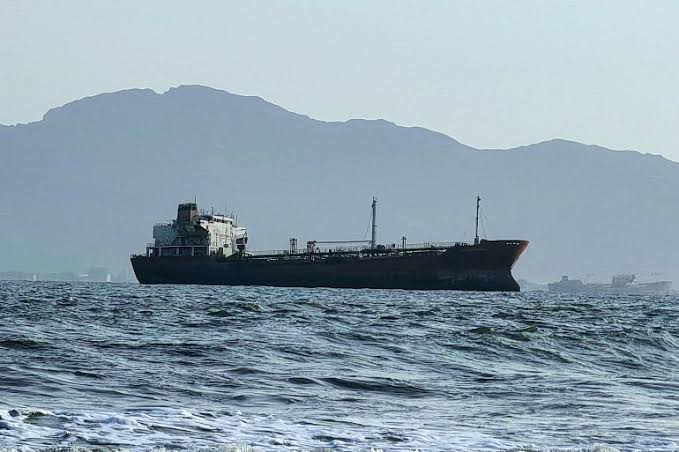
This panel monitors 32 tanker vessels (crude oil, refined fuels, liquefied petroleum gas) identified via AIS maritime radar along the Atlantic and Mediterranean coastlines. Use the filtering and search controls below to inspect operational status, anchorage location, and draught parameters for each vessel.
| Port / Zone | Vessel Name | Cargo Category | Flag State | Maritime Status | Draught (m) | Origin / Last Port | Operational Role & Strategic Impact |
|---|
Logistics Architecture & Functional Port Hub Distribution
Hub-and-Spoke organizational structure and national coastal cabotage pipeline
Field AIS telemetry demonstrates an integrated maritime logistics layout structured under a “Hub-and-Spoke” operational model. Responsibilities are distributed across Moroccan ports based on water depth, storage capacity, and regional industrial demand. Click on any port card below to explore its specific strategic functions.
National Coastal Cabotage Flow Network (Maritime Pipeline)
Receives transoceanic super-cargoes (up to 11.9m draught) and redistributes refined products via domestic shuttle tankers.
Accommodates deep-draft tankers (ORWELL at 12.3m draught) for thermal power, industrial fuel, and southern coastal cabotage transfers.
Direct butane imports (ECO GALAXY) combined with national cabotage connections from Jorf Lasfar to secure fishing and urban energy supplies.
Retail Fuel Price Breakdown & Inflation Simulator
Analyzing the disconnect between maritime supply fluidity and retail pump price inflation
Despite high operational efficiency in port handling, consumer purchasing power faces severe price pressures driven by Platts CIF Med international benchmark fluctuations, fixed domestic taxation, and commercial margins. Drag the interactive simulator slider below to modify the international import price (CIF) and observe the resulting pump price structure.
🎛️ Diesel Pump Price Simulator (MAD / Liter)
Percentage Breakdown of Reference Pump Price (13.38 MAD/L)
📊 Survey Findings: Household Behavior Under Fuel Price Surges
Forced to cut healthcare, food, or education spending if diesel exceeds 15 MAD/L.
Cancel or drastically trim non-essential household expenditures.
Restrict the use of private and public transportation options.
Geopolitics of Supply Routes & Strait Chokepoint Immunity
Assessing the immunity level of Moroccan supply chains against Middle Eastern maritime disruptions
A geographical assessment of tracked maritime routes confirms a highly favorable trade position, insulating Morocco from immediate military risks associated with potential blockades of the Strait of Hormuz or Bab-el-Mandeb. The national energy footprint is primarily anchored in Western Mediterranean refineries and Atlantic shipping lanes.
Refineries in Italy (Sarroch, Augusta), Spain (Cartagena), Greece (Corinth), and Tunisia.
US Gulf Coast ports (Houston, New Orleans) delivering direct transatlantic fuel shipments.
Guinea (Kamsar), Senegal (Dakar), and Trinidad & Tobago (Port of Spain).
Netherlands (Zeeland) and Belgium (Antwerp) for specialized bitumen and LPG supplies.
The single Arabian Gulf shipment tracked (LPG tanker GAS AMMON) departed from Salalah in the Sultanate of Oman, located directly on the Arabian Sea and Indian Ocean, completely outside the Strait of Hormuz.
Strategic Policy Roadmap & Institutional References
Recommendations for national energy sovereignty and formal references (APA 7th Edition)
🏭 Domestic Refining Relaunch & Strategic Reserve Expansion
Reactivating the SAMIR refinery represents the cornerstone for restoring national energy sovereignty. Local refining would meet up to 65% of domestic diesel and gasoline demand while retaining refining margins currently exported abroad. Furthermore, utilizing its storage infrastructure in Mohammedia would fortify national strategic reserves.
Official References List (APA 7th Edition)
- Social and Media Studies Institute (SMSI). (2026). Analysis report on the energy situation in Moroccan ports and hydrocarbon supply chains (Authored by Younes Banane). SMSI Publications, Casablanca.
- MarineTraffic. (2026). Global Vessel Tracking and AIS Maritime Intelligence Platform [Data set]. MarineTraffic. https://www.marinetraffic.com
- Competition Council. (2023). Opinion on the monitoring of commitments undertaken by diesel and gasoline distribution companies (Opinion No. R/3/23). Kingdom of Morocco, Rabat.
- National Ports Agency (ANP). (2024). Statistical report on port traffic in Moroccan ports. Ministry of Equipment and Water, Kingdom of Morocco.
- Ministry of Energy Transition and Sustainable Development. (2024). Annual statistical bulletin of the energy and hydrocarbon sector. Kingdom of Morocco, Rabat.
- High Commission for Planning (HCP). (2024). Consumer price index and the impact of fuel costs on household living standards. Rabat, Morocco.